

How to Write for Slam Poetry: Finding Your Voice on Stage

How to Write for Slam Poetry: Finding Your Voice on Stage
Slam poetry is one of the most electrifying forms of literary expression today. It’s raw, rhythmic, and built to connect deeply with a live audience. Unlike traditional page poetry, slam poetry thrives in performance — it demands urgency, emotion, and language that hits hard when spoken aloud.
If you’re new to the slam scene or looking to sharpen your skills, this guide will walk you through the essentials of writing powerful slam poetry. Whether you’re crafting pieces for open mics, competitions, or personal catharsis, these tips — plus practical exercises — will help you create work that resonates and shakes the room.
1. Understand the Heart of Slam Poetry
Slam poetry is competitive spoken word performed in front of judges and audiences. Poems are usually 3 minutes or less, scored on content, delivery, and originality. The strongest slam poems blend storytelling, social commentary, personal truth, and linguistic fireworks.
Key characteristics:
Oral-first mindset: Write for the ear, not just the eye. Read everything aloud as you draft.
Emotional intensity: Slam rewards vulnerability, anger, joy, and unflinching honesty.
Rhythm and sound: Use repetition, alliteration, rhyme (internal and end), and cadence to create musicality.
Clarity with impact: Avoid overly obscure references — the audience needs to feel it in real time.
2. Start with a Strong Hook
Your first 10–15 seconds are everything. Audiences decide quickly whether to lean in or tune out.
Great hooks include:
A bold statement or provocative question
A vivid, surprising image or metaphor
A personal confession that shocks or intrigues
Repetition that builds immediate energy
Example opening lines:
“I learned love from a woman who left bruises shaped like apologies…”
“They told me silence was golden, so I melted my words into bars…”
3. Build Authenticity Through Personal Experience

The most unforgettable slam poems come from truth. Dig into your own life — your joys, traumas, identities, contradictions, and quiet victories.
Ask yourself:
What story only I can tell?
What anger or love am I still afraid to voice?
Where do my personal experiences intersect with bigger truths?
This is exactly where custom poetry and personalized poetry become powerful tools. Many poets begin by writing custom poems — pieces tailored precisely to their own emotional landscape, memories, and voice. These custom poems form the raw foundation for slam work because they carry undeniable authenticity. When a poem feels deeply personal, the audience feels it too.
4. Master Structure and Flow
Slam poems don’t need rigid forms, but they benefit from intentional architecture:
Hook (first 10–20 seconds)
Body/Development (build tension, layers, imagery)
Climax/Turn (emotional peak or revelation)
Resolution/Closing Punch (leave them breathless or thinking)
Techniques to enhance flow:
Repetition: Repeat key phrases with evolving meaning
Contrast: Shift between soft/loud, slow/fast, light/heavy
Strategic pauses: Use silence as powerfully as words
Sound play: Alliteration, assonance, and consonance make the language sing when spoken
Write in short lines or breath units. Think in spoken phrases rather than perfect written sentences.
5. Incorporate Literary Devices That Pop Live
On stage, subtlety can get lost. Lean into devices that amplify when performed:
Visceral metaphors and similes (“My heart was a cracked sidewalk after the rain”)
Personification
Hyperbole for emphasis
Call-and-response elements
Building lists that create rhythm and power
Keep big ideas grounded in concrete, sensory images the audience can see, hear, and feel in the moment.
6. Edit Ruthlessly for Performance
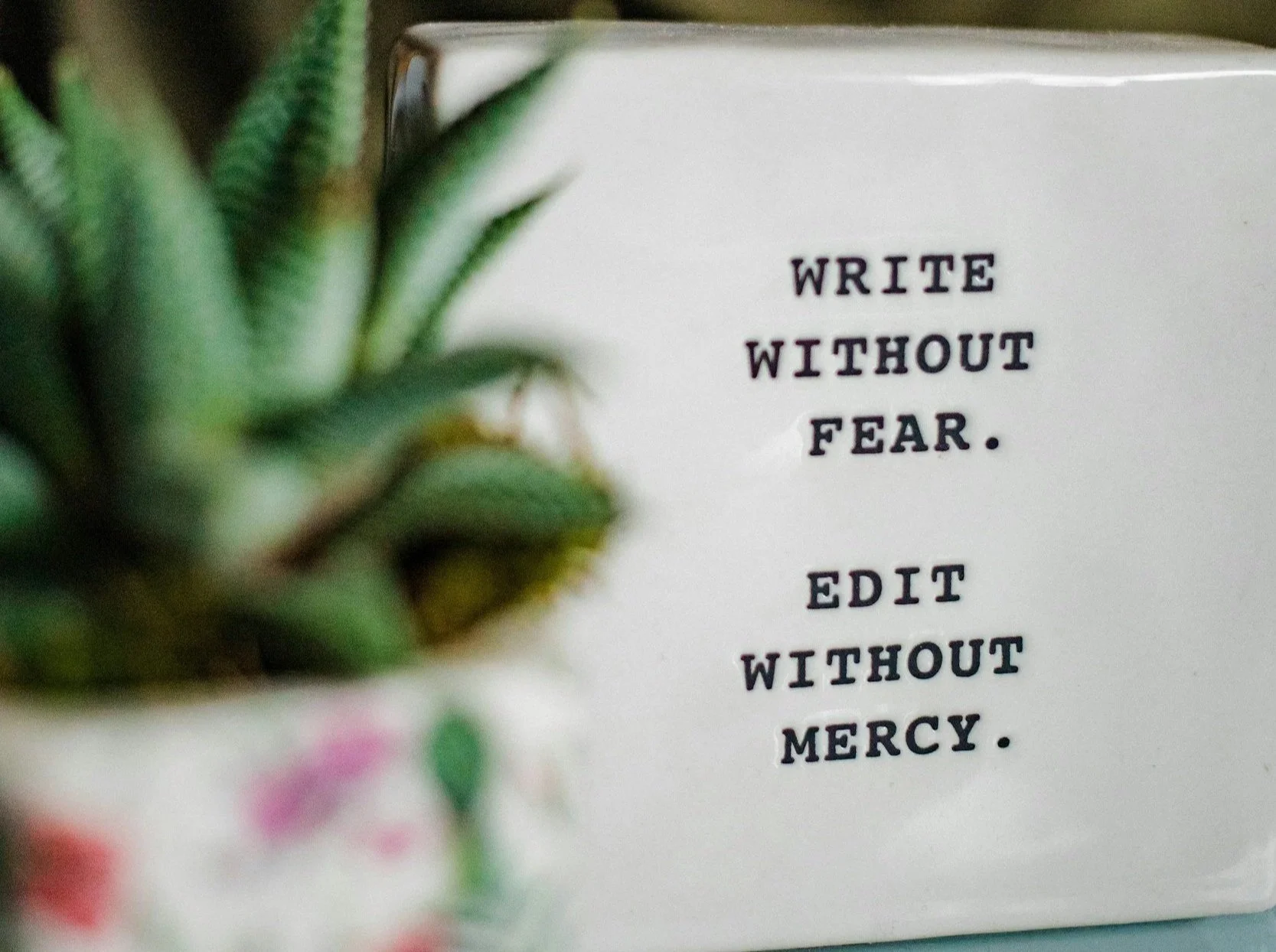
Writing is only half the battle — editing for the stage is where the magic happens.
Revision tips:
Time yourself reading aloud (stay under 3 minutes)
Cut anything that doesn’t serve the emotional arc
Replace “telling” with vivid “showing”
Record yourself and listen back with fresh ears
Test different deliveries — which lines make your voice rise or crack naturally?
Treat each revision like crafting a new custom poem, refined specifically for maximum stage impact.
7. Slam Writing Exercises to Spark Your Voice
Here are five practical exercises designed to help you generate strong material for slam poetry. Do them regularly — they’re perfect for warming up, overcoming writer’s block, or developing personalized poetry.
Exercise 1: The 60-Second Truth Bomb Set a timer for 60 seconds. Speak (don’t write) everything that comes to mind about one intense emotion or memory. Record it. Transcribe only the strongest lines. Turn those into your opening hook. This forces raw honesty and helps you discover natural rhythm.
Exercise 2: Repetition Remix Choose a powerful phrase from your life (“I remember,” “They said,” “I survived”). Write 10 lines that begin with it, each revealing something deeper or contradictory. Read them aloud and watch how repetition builds energy — a staple of great slam.
Exercise 3: Sensory Memory Dive Pick a specific moment from your past. Describe it using all five senses in short, punchy lines. Then rewrite it as if you’re telling it to someone who hurt you, or to your younger self. This exercise creates vivid, emotional custom poems that translate beautifully to the stage.
Exercise 4: Contrasting Voices Write the same story in two voices: one soft and tender, one furious and loud. Blend the two versions into one poem, switching tones mid-piece. This builds dynamic contrast and emotional range — essential for holding an audience.
Exercise 5: The 3-Minute Custom Poem Challenge Give yourself 20 minutes to write a complete draft under 3 minutes when spoken. Focus on one personal truth. Use at least three literary devices from this guide. Perform it immediately (even alone in your room). This mimics real slam conditions and helps you create polished personalized poetry quickly.
8. Practice Delivery as Part of the Writing Process
Slam is writing and performing. Rehearse while editing:
Experiment with volume, speed, and tone
Use gestures sparingly but intentionally
Let silence work for you
Connect with the imaginary (or real) audience
The more you perform your personal poetry, the more you’ll discover which lines truly land.
9. Find Your Unique Voice
Don’t imitate famous slam poets. Study them, then twist their techniques into something unmistakably yours.
Questions to uncover your voice:
What rhythms feel natural to my body?
What topics make me forget the audience exists?
What language mix (slang, formal, dialect) feels most honest?
Your custom poetry — the deeply personalized poetry you write for yourself first — will guide you toward that authentic voice.
Final Tips to Get Started
Attend local slams to absorb the energy (even if you don’t perform yet)
Write daily, even if it’s just fragments
Join a writing group or spoken word workshop
Remember: The goal isn’t perfection — it’s connection
Slam poetry is about courage. It’s about standing in your truth and daring the room to feel with you.
So grab a notebook (or your phone), speak your first lines out loud, and start crafting your own custom poems. Your voice deserves to be heard — and the slam stage is waiting.
Now go write something that shakes the room.
Ready to dive deeper? Drop your experiences in the comments — what’s the hardest part of writing for slam for you? Or share a line from your latest piece!
Want more tips/tricks? Check out my other blogs!
If you're looking for more inspiration or want help refining your personalized poetry, feel free to reach out. The world needs more voices like yours.
